


The hallway is where you arrive, put things down and often move straight on. That makes it an easy collection point for shoes, coats, bags and post. Attractive furniture helps when it is usable in the right place at the right moment. This guide starts with your daily route through the entrance and separates everyday belongings from temporary items and seasonal storage. The result is a practical arrangement that can become part of coming home.
Follow the route you take when arriving
Enter as if carrying shopping and a bag. Where do you naturally put them down? Where do shoes come off, and when do you look for your keys? Notice how other household members use the space too. Storage on the wrong side of the door may remain empty while belongings accumulate elsewhere.
Mark the door swing and keep the passage clear. Measure the narrowest useful point, including radiators, skirting boards and handles. Put a temporary box where furniture might stand and walk past it several times. This can reveal an unsuitable position before you order a cabinet or rack.
Keep the daily selection limited
Divide belongings into daily use, occasional use and another season. Give the first group the easiest places to reach. If possible, store spare shoes and bulky seasonal coats elsewhere. A smaller piece of furniture then has a better chance of providing enough space.
Count the actual contents on an ordinary weekday: pairs of shoes, coats and bags. Do not rely only on a stated shoe capacity. Wide trainers and tall boots occupy different space from slim shoes. Place representative pairs together and measure what you really need.
Plan shoes and seating together
Position a shoe rack where shoes actually come off. Check depth using the longest pair and shelf spacing with taller footwear. A folding rack may suit a changing layout, but assess its footprint in the open position as well as its stored size.
If you want to sit while putting shoes on, choose seating designed for that purpose. Check its use and loading information; a rack or table should not be treated as a bench unless intended for it. Position suitable seating so knees and feet do not immediately block the whole passage. Try the movement with an existing chair first.
Allow coats to hang in their real shape
A clothes rack can be an alternative where fixed hooks are inconvenient. Measure with garments on hangers, not just with an empty frame. Sleeves and long coats project beyond the rack and may narrow the route. You also need room to take clothing off it.
A rack with shelves can combine hanging space with appropriate bags or belongings. A dressboy serves a smaller selection, such as clothes for tomorrow. Compare their tasks rather than treating them as interchangeable. A full seasonal wardrobe and one outfit require different amounts of space.
Give small belongings a clear destination
Keys, glasses and post need little space but a recognisable place. Choose a reachable surface without making it so large that everything is left there indefinitely. Agree what belongs in the entrance and what should continue to another room.
A narrow table may work when its shape fits, while a sideboard offers closed storage in a more generous entrance. Check real depth, opening doors and the route past the furniture. A bigger top is helpful only when it improves your movements without compromising the passage.
Plan for wet belongings and cleaning
Decide where a wet coat or umbrella goes after rain. Keep that temporary area separate from clean textile stacks and objects you do not want stored damp. Follow clothing and furniture care advice. Put shoes away in a way appropriate to their material and condition.
Make cleaning practical. Can you reach under or beside the rack and move the shoes easily? Furniture fitted tightly into every gap can be awkward to maintain. Leave the clearance you need for normal vacuuming or mopping. Maintenance belongs in the layout plan from the beginning.
Keep the reset short and predictable
Choose a regular brief reset: move post onwards, put extra shoes away and prepare tomorrow’s bag. If it takes a long time each day, the daily zone probably contains too much. Reduce that selection before adding more storage furniture.
After a week, notice what does not return to its place. A shelf may be out of reach or a bag may not fit below the rack. Use those observations to refine the arrangement. An easy-to-maintain hallway makes the intended place the simplest place to put something down.
Product ideas for your situation
Choose what suits your space and intended use. Check the product page for the current version, price and availability. Lifestyle photographs may include extra styling; check what is supplied with the item.

Folding bamboo shoe rack with three levels
Compare depth and shelf space with everyday footwear. Measure it in use and check the remaining passage.

Black clothes rack with three shelves
Combines hanging space and shelves where appropriate. Include projecting garments and bags in the footprint.

Two-seat teak bench
A possible seat for putting shoes on. Check dimensions and the bench’s intended use and loading information.

Black dressboy
For a limited clothing selection, such as the next day’s outfit. Check its hanging sections and floor area.
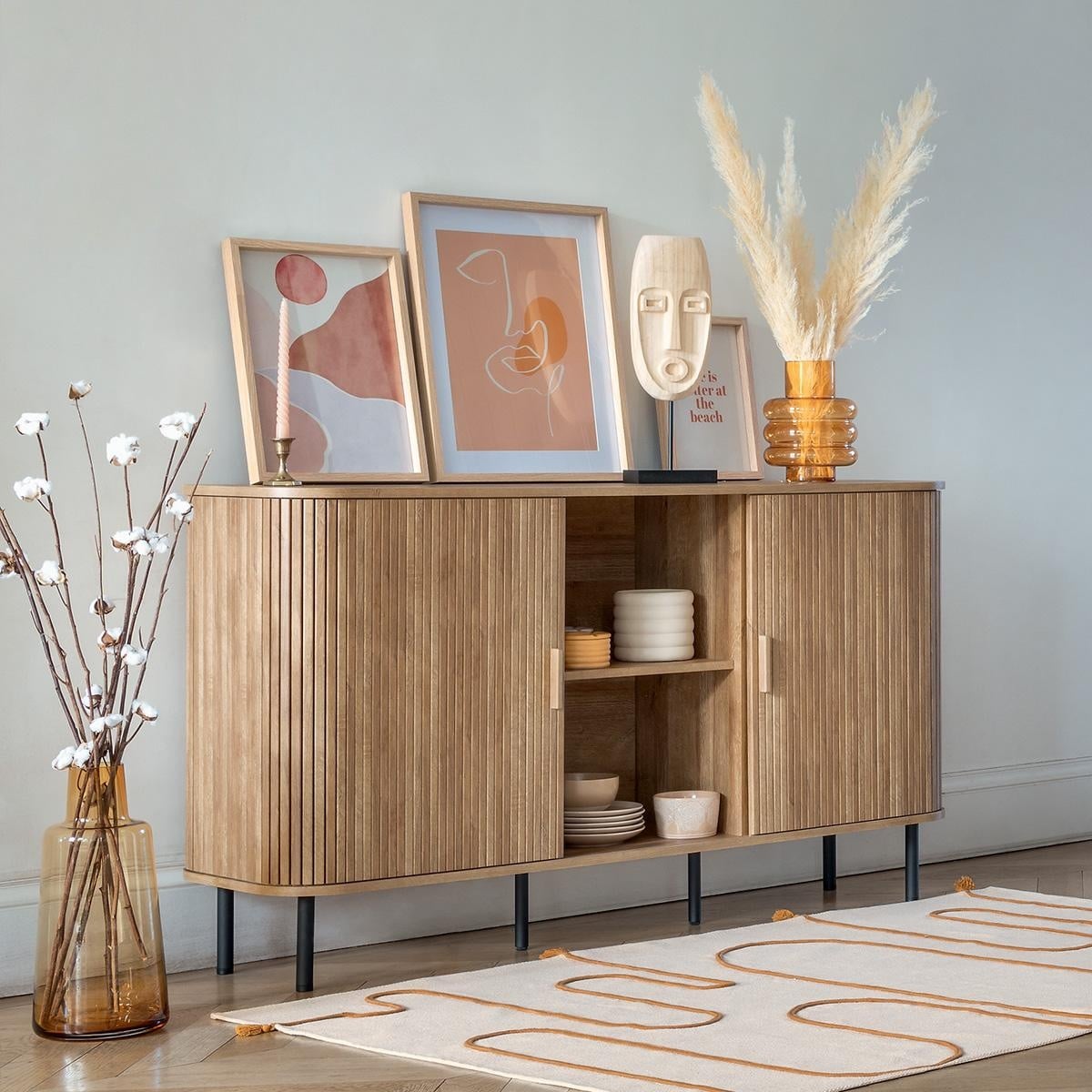
Two-door sideboard with oak effect
For a larger entrance needing closed storage. Include door movement and remaining walking space.

Narrow black side table with wood
An alternative surface when its dimensions suit the hall. Assess whether it gives keys and small items a practical destination.
Frequently asked questions
How do I keep a small hallway tidy?
Limit it to daily belongings and give them reachable fixed places. Store seasonal items elsewhere where possible.
Does every shoe rack fit boots?
No. Check shelf height, depth and whether boots can be stored without unsuitable folding.
Is a clothes rack smaller than wall hooks?
It depends on the frame and the clothes on it. Measure the loaded arrangement, not only the empty furniture.
What about things that keep being left out?
Notice where they land and why their assigned place is inconvenient. Improve its accessibility or size before adding furniture.


Comments (0)