


An empty corner beside the cabinet would look better with a large plant, but the last one gradually declined there. A shade-tolerant label sounds promising. The important distinction is that low light is not no light. This guide starts with the position before the plant, helping you avoid repeating the same problem with a different pot and another attractive specimen.
1. Assess the actual position
Stand in the proposed spot during the day and look towards the window. Consider cabinets, deep window recesses, an outside overhang and curtains. Check at several times rather than relying on one bright moment. A room can look airy from the sofa while the corner behind a large piece of furniture receives much less daylight.
Note whether direct sun would reach the leaves or whether the position receives only indirect daylight. A phone photograph that automatically brightens a room is not a reliable measurement. Record the window direction and intended position so you can ask a more specific question if you need help.
2. Low light does not mean complete darkness
The RHS explains that even easy-care houseplants will not tolerate complete darkness. A plant needs light to grow, and an ordinary decorative lamp is not automatically a grow light. Turning on a table lamp in the evening does not by itself make a windowless corner suitable.
If daylight is very limited, place a living plant in a better position and furnish the darkest corner differently. An artificial plant may be useful if the green shape is what you want there. Decide deliberately: living plants and decorative artificial greenery require different routines.
3. Choose for conditions, not just leaf appearance
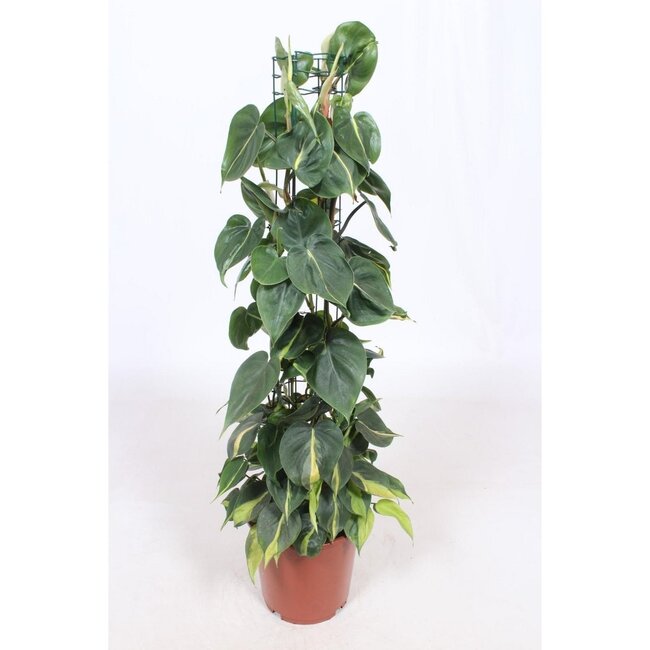
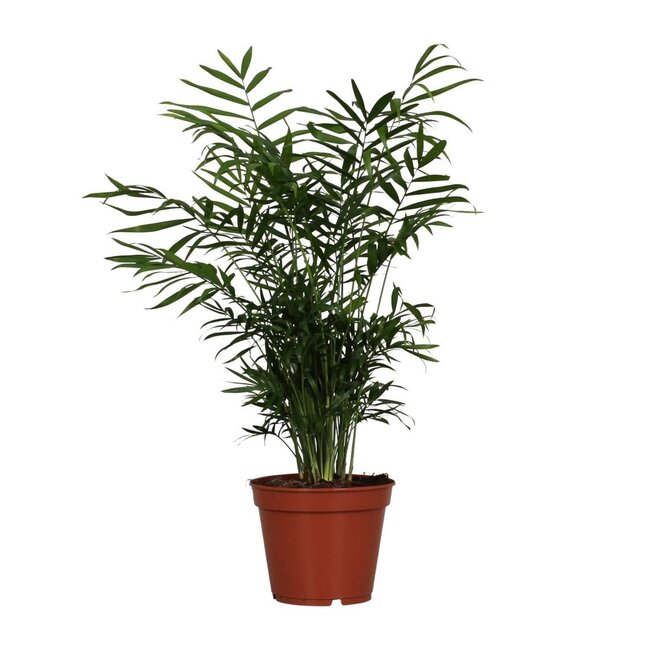
The RHS includes Chamaedorea elegans and Philodendron scandens among plants that can cope with lower light levels. That does not make every dark corner suitable or give every cultivar identical needs. Read the instructions for the actual plant, particularly for variegated versions.
Include draughts, heating and usable space in your decision. A plant beside a radiator in an attractive photograph says little about your own radiator’s daily heat. Consider whether you can lift the pot, inspect the compost and water without reaching awkwardly behind furniture.
4. Do not carry over an old watering calendar blindly
When you move a plant, review its care rather than automatically giving it the same amount every Sunday. Check the compost and the species instructions. A calendar alone does not account for another position, season or plant size.
Use an inner pot whose drainage you can inspect and look inside the decorative cover after watering. A close-fitting outer pot can hide standing water. During the first weeks, note what you find when checking. Build a routine around the actual plant rather than an assumed universal interval.
5. Test the footprint before buying a large plant
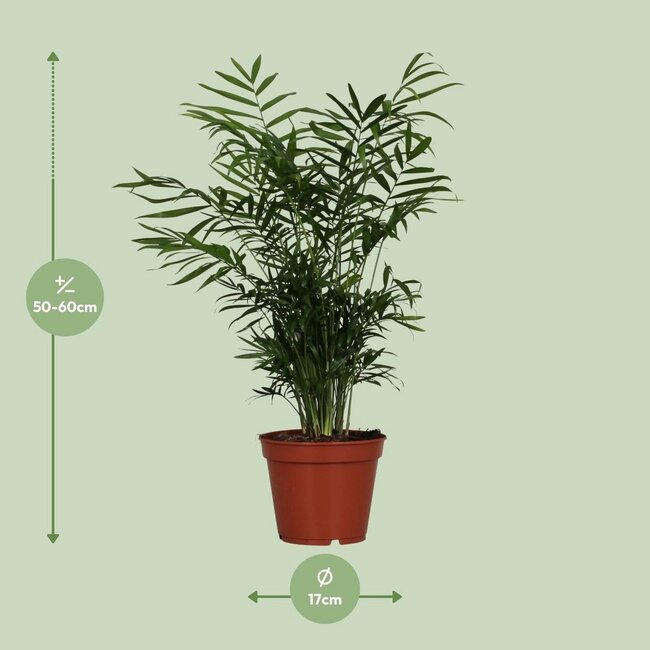
Use an empty pot or a cardboard box to check the planned position. View it from the sofa and from the doorway. Would leaves catch a curtain, block a switch or force you to walk around the pot? These practical questions are not answered by a standalone product photograph.
Then choose the shape: upright, broad-leaved or trailing. A stand can provide extra positions, but the top shelf should remain reachable for routine care. Check the stand’s load limit and pot diameter separately rather than assuming a photograph shows what will fit in your home.
6. Observe before changing everything
Take a clear photograph when positioning the plant and note the date. Look at the whole plant: growth, leaf position, compost and visible damage. One yellow leaf does not prove insufficient light. Several problems can look similar, and adding water, feed and a new pot together makes the result harder to understand.
Read the care guidance first, then change one reasonable factor. If the decline continues, ask for advice with the species name, position, watering history and photographs. Those details are much more useful than saying only that the plant seems unhappy.
7. Choose for the household as well as the room
Think about children, pets and where fallen leaves could land. Lower-light suitability does not establish safety if a plant is touched or eaten. Check species information and use a stable position. A large pot balanced on a narrow edge is not a practical solution.
Be honest about maintenance. A living plant needs observation and care; an artificial plant needs dusting and a suitable display position. You can combine the approaches: living greenery near appropriate windows and artificial greenery in a darker corner can create a consistent room without forcing one solution everywhere.
Five questions before ordering
- How much daylight actually reaches the position?
- Does this species and cultivar suit those conditions?
- Can I check compost, drainage and growth easily?
- Is there clearance for curtains, doors and walking?
- Does the choice suit the household and the care I can provide?
Frequently asked questions
Which houseplant can live in a windowless room?
No living houseplant can grow indefinitely in complete darkness. Choose appropriate light or consider artificial greenery.
Is outdoor shade the same as indoor low light?
No. Do not directly translate an outdoor position description to a corner indoors. Check the specific houseplant guidance.
Should I water less in a dark corner?
Check the species and compost instead of automatically choosing an interval. Do not copy an old watering calendar without reviewing the new position.
Are all pictured plants suitable for every dark corner?
No. These are comparison examples. Assess light, space and care for the specific plant before buying.


Comments (0)