


After several rainy days, a patio pot is holding water and the leaves look worse. Before adding more water or feed, check whether the existing water can leave. This guide helps you inspect outdoor pots in a clear order and arrange them so routine checks remain easy during wet autumn weather, not just on the day you plant them.
1. Separate moist compost from standing water
A moist surface after rain is not automatically a problem. Look for water above the compost, in a saucer or hidden inside a closed decorative pot. If the inner pot is manageable, lift it carefully to inspect the outer container. For a heavy arrangement, begin with what you can see safely without tipping the plant.
Record the condition after rain and check again later. Yellow leaves alone do not identify one certain cause. The RHS explains that prolonged saturation reduces oxygen available to roots, so drainage is a reasonable first check when water clearly remains trapped.
2. Follow the whole route out of the pot
Find the drainage holes in the container that actually holds the plant. An inner pot with holes is not enough if it sits in water inside a closed outer pot. Check whether a flat surface blocks the outlet or debris obstructs it, without damaging roots or the container unnecessarily.
Read the pot information before attempting to drill anything. Not every material can be drilled safely without damage. A different outer container may be more practical. A decorative stone layer does not replace a missing outlet: water still needs a genuine route away from the planted pot.
3. Match the growing medium to the plant
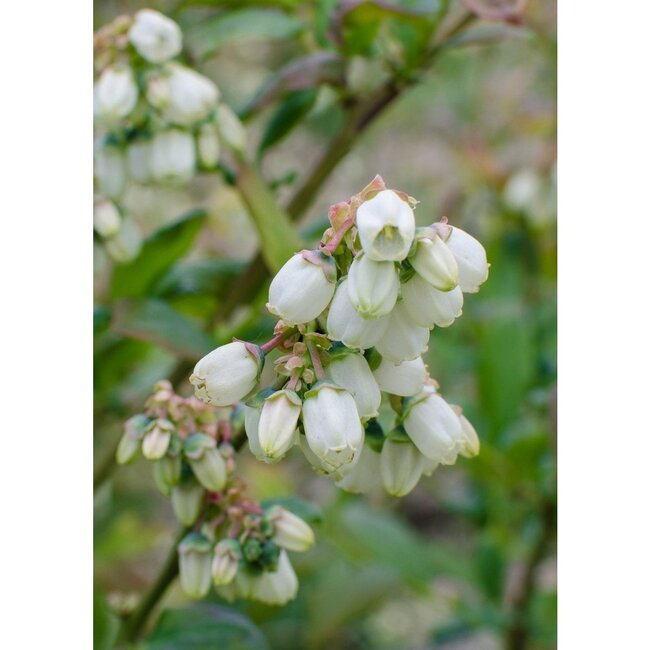
Outdoor plants do not all need the same compost or moisture conditions. Use the species guidance to choose a suitable growing medium. A blueberry and another garden plant are not automatically interchangeable in the same potting mix. Read the requirements for the actual plant before adding material.
Decide whether you are repotting into a larger growing container or simply placing an inner pot inside a decorative cover. These are different arrangements. A neat surface layer does not reveal the rootball, surrounding compost or drainage underneath, so plan the structure before finishing the appearance.
4. Review watering when the weather changes
Do not continue a summer watering calendar automatically through rainy weather. Check the rootball and how sheltered the container is. A pot beside a wall may receive less rain than one in the open. The same forecast does not establish that every plant received the same amount of water.
After a wet spell, make a short round of saucers, outer covers and drainage positions. This is easier when pots remain accessible. Keep a route clear so inspecting the back row does not require moving furniture first. Build the check into the layout rather than treating access as an afterthought.
5. Arrange pots for stability and access
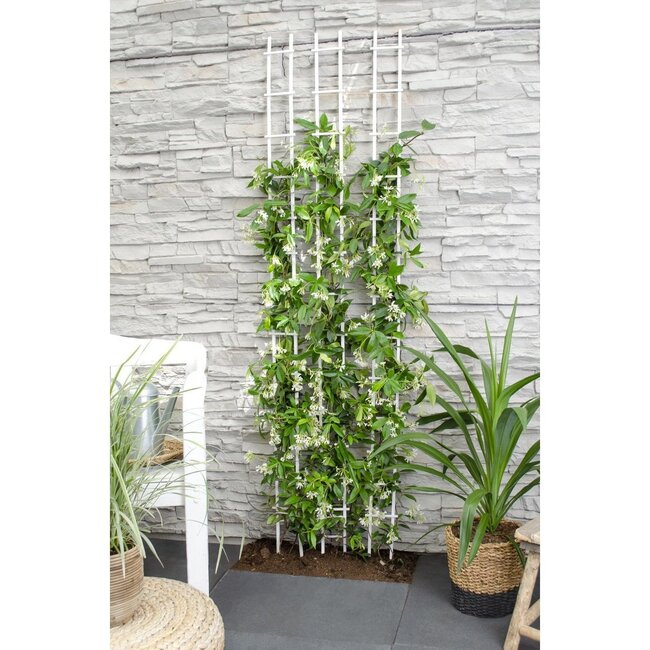
Choose a position where you can inspect the plant and its drainage. A suitable raised position can make checks easier, provided the pot and surface remain stable. Avoid improvised stacks and narrow edges. On a balcony, follow the building’s rules and permitted loading and use.
Place tall plants for maintenance as well as the view from indoors. Account for wind and make sure drained water does not create a nuisance on a path or for neighbours. An attractive arrangement should remain manageable after a storm, not only during a photograph on a calm day.
6. If the plant is already declining
Stop automatic watering until you have checked the rootball’s needs. Remove accessible surplus water and review the species instructions. Do not pull roots around unnecessarily just to inspect damage. Leaf changes can have several causes, and improving the arrangement does not instantly reverse existing damage.
If the plant continues to decline, ask for advice with its name, photographs of leaves and pot arrangement, and a record of rainfall exposure and watering. Include the drainage position if it is safe to photograph. This gives more useful context than a close-up of one yellow leaf alone.
7. Choose the next plant and pot together
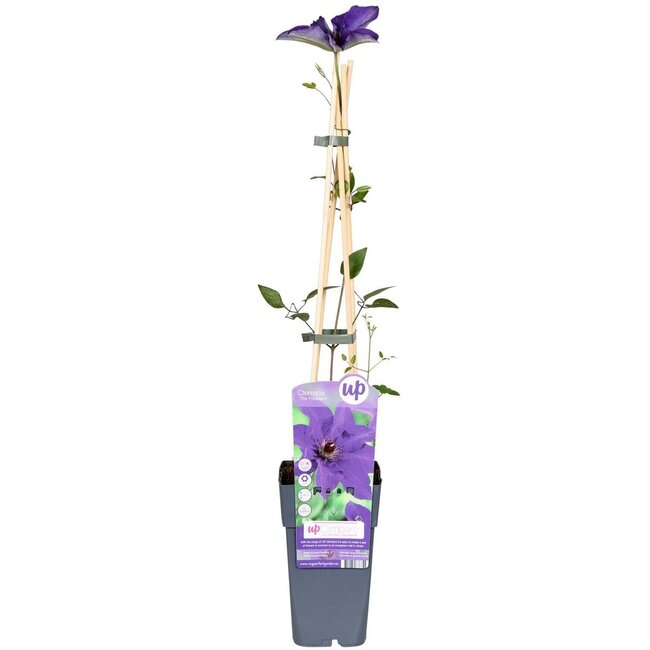
Start with the position and species, then choose pot size and drainage. Check winter hardiness, growing medium and eventual space requirements. A plant supplied compactly may later need more room or support. Delivery height is not a promise that the plant will remain that size.
The photographs link to garden plants for comparison, not universal solutions for a wet container. Note your position, preferred plant shape and care options first. Order when the container arrangement and maintenance plan fit that particular choice as well as its appearance.
Before the next rainy spell
- Check outlets in both planted and outer containers.
- Look for hidden water in saucers and closed covers.
- Read the species requirements for compost and moisture.
- Choose a stable, accessible position with clear walking space.
- Water according to the rootball rather than an unchanged calendar.
Frequently asked questions
Does every outdoor pot need drainage holes?
A planted container needs an appropriate drainage arrangement. With a closed decorative cover, prevent the inner pot from standing in accumulated water.
Will clay pebbles fix a closed pot?
A layer at the bottom does not create an outlet. Check the complete drainage route and the intended growing method.
Do yellow leaves always mean too much water?
No. They are a reason to inspect the plant and conditions, not a diagnosis by themselves.
Should outdoor plants still be watered in autumn?
Check the species, rootball and position. Rain does not reach every container equally, so avoid a blind fixed schedule.


Comments (0)